Google Play trader status (Feb 1, 2027): will your address go public?

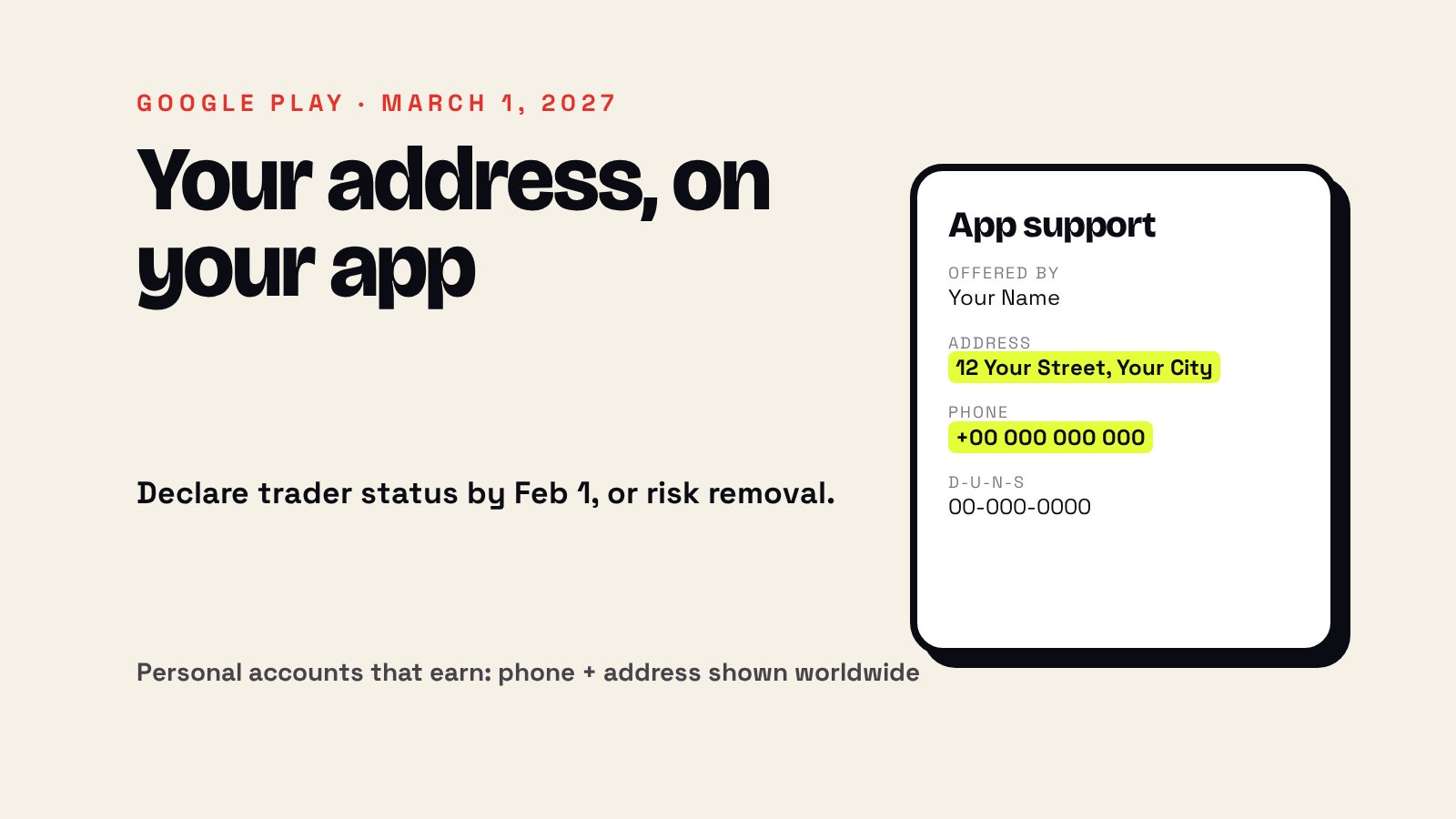
Short answer: Every Google Play developer account, anywhere in the world, must declare by February 1, 2027 whether it is a "trader" or "non-trader" under EU and UK law. From March 1, 2027, users everywhere will see your contact details and your D-U-N-S number, and if you run an individual (personal) account and you are a trader, that means your phone number and your address. Miss the declaration and Google says it may block your app updates and remove your apps from the Play Store globally. Lying about your status can get the account suspended. (Google Play Console Help)
If you make money from an Android app through a personal developer account, Google is about to put your home address on your app's store page. In every country. Next to your phone number.
The 30-second version
Every Google Play developer account, anywhere in the world, must declare by February 1, 2027 whether it is a "trader" or "non-trader" under EU and UK law. From March 1, 2027, users everywhere will see your contact details and your D-U-N-S number, and if you run an individual (personal) account and you are a trader, that means your phone number and your address. Miss the declaration and Google says it may block your app updates and remove your apps from the Play Store globally. Lying about your status can get the account suspended. (Google Play Console Help)
What exactly Google is asking for
Google Play is moving to an "online marketplace" model in the EEA and the UK on March 1, 2027, and it is applying the paperwork to everyone. From the Play Console help page (Google Play Console Help):
- Who: "all active developer accounts", "regardless of where apps are targeted or distributed".
- Shown to users everywhere from March 1, 2027: your contact details, your D-U-N-S number in the "App support" section, and a link to your Terms of Service if you gave one. For an individual account that is a trader, the contact details now include a phone number and address.
- Shown to users in the EEA and UK: your developer or trader name replaces Google in the "Offered by" field, plus your self-certification that you comply with local law.
- Enforcement: no declaration by February 1, 2027 "may trigger enforcement including app update blocks and removal from the Play Store globally". Declaring non-trader to dodge verification can mean account suspension or termination.
Who counts as a trader? Digital Trends sums it up as anyone doing commercial activity, which can include selling apps, offering in-app purchases or earning regular ad revenue, and notes that the EU rules behind this don't require the details to be shown worldwide, Google chose to (Digital Trends).
The founder's side of this
The press is covering this as a privacy story, and it is one. For the solo founder it is also a business decision with a deadline. Thousands of profitable Android apps are run by one person from a personal account, because that was the fastest way to ship. From March 2027 that shortcut has a price: your address, in public, on an app that may have strangers leaving one-star reviews. Digital Trends reports some indie developers are already looking at renting office space just to have an address to show, and Google's payment-profile rules don't accept P.O. boxes (Digital Trends).
The real fix for a business is to run the app like one: an organization account under a company, with a business address and a D-U-N-S number. That takes weeks, not hours, so January 2027 is too late to start.
The buyer's side of the table
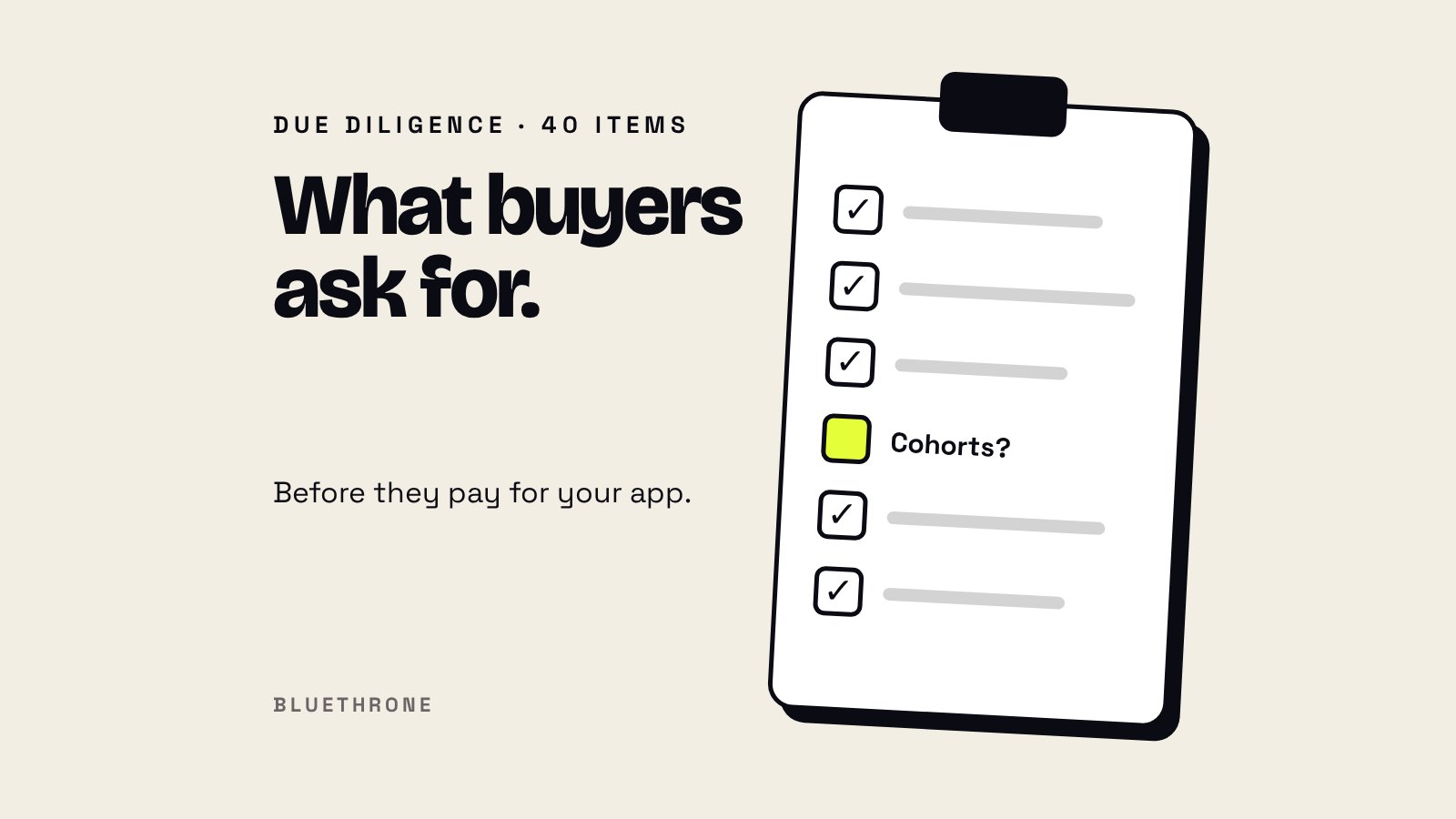
When we look at an Android app to buy, the account it lives in is part of the asset. From February 2027 we'll ask two new questions: was the trader status declared, and was it declared honestly? An app that missed the deadline can have its updates blocked or be removed, and a "non-trader" declaration on an app with in-app purchases is a suspension risk for the whole account. Both come off the price, or kill the deal. Add them to your due diligence checklist.
There is also a quieter point for sellers. If you are thinking of selling your Android app in 2027 anyway, an app that already sits in a clean organization account is easier to transfer, and you don't spend months with your name and home address on an app you are about to hand over.
What it means for you, founder by founder
What changes: from March 1, 2027 your phone number and address are shown to users worldwide.
Should you act? yes, now: forming a company, getting a D-U-N-S number and moving to an organization account takes weeks.
What I'd do: set up the company and the organization account in December, then move the app before you declare.
What changes: your business contact details and D-U-N-S number go public, and in the EEA/UK your company name replaces Google as "Offered by".
Should you act? yes, but it is admin: declare trader status in Play Console before February 1, 2027.
What I'd do: check the public details are the ones you want customers to see, and add a Terms of Service link.
What changes: you still have to declare, probably as a non-trader.
Should you act? yes, it takes minutes, but skipping it can still get the app removed.
What I'd do: declare honestly, and re-check the day you add ads or a paywall.
What changes: buyers will check the declaration and the account type.
Should you act? yes: a declared, organization-account app is a clean line in due diligence.
What I'd do: sort the account first, then see where you stand on our valuation tool.
Your checklist
- Open Play Console and find the trader status declaration.
- Check your account type: personal or organization.
- If you earn from the app on a personal account, decide this month: show your address, or move to a company and an organization account.
- Get a D-U-N-S number for the company, it will be shown on your listing.
- Use a real business address, not a P.O. box.
- Add a Terms of Service link to the listing.
- Declare before February 1, 2027 and keep a screenshot for due diligence.
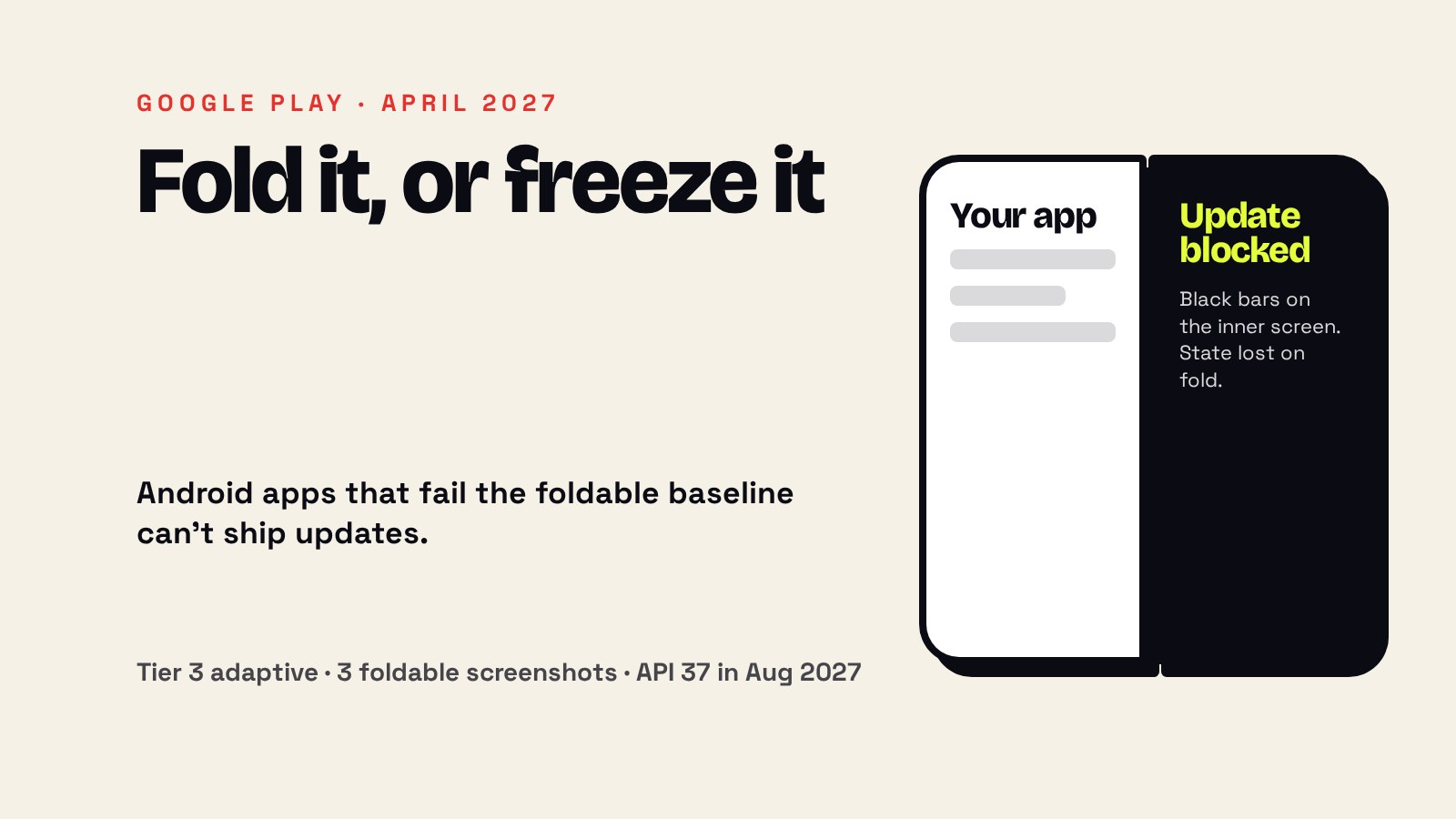
Also on Google Play this year: Android developer verification and the April 2027 foldable rules. Thinking about selling? Read how to sell your app to a company.
FAQ
What is the Google Play trader status declaration?
Every active Google Play developer account must declare in Play Console whether it is a trader or non-trader under EEA and UK law, by February 1, 2027, regardless of where its apps are distributed.
Will Google Play show my home address?
If you have an individual (personal) developer account and you are a trader, Google says a phone number and address will be displayed to users everywhere from March 1, 2027.
What happens if I don't declare my trader status?
Google says missing the February 1, 2027 deadline may trigger enforcement including app update blocks and removal from the Play Store globally.
Can I just declare non-trader?
Only if it is true. Google says misrepresenting your status, for example to bypass verification, violates the developer agreement and may lead to account suspension or termination.
Does this affect selling my Android app?
Yes. Buyers will check that the trader status was declared and declared honestly, because a missed or false declaration can block updates or put the account at risk. A declared app in an organization account is easier to sell and transfer.
Written by Idan Waller, co-founder of BlueThrone. We buy and grow mobile apps, so we read every store rule change from the founder's side of the table.


Keep reading








Time for
your exit?